How Pinterest Algorithm Works in 2026
Most people are still using Pinterest like it’s 2018 — posting pretty images and hoping something goes viral. That strategy is exactly why their reach is dropping. In 2026, Pinterest is no longer just a visual platform; it’s a decision engine. People come here when they’re planning to buy, redesign, try, or act. The algorithm now prioritizes intent over aesthetics, meaning the creators who understand what users plan to do next are the ones winning. And if your pins suddenly stopped performing, there’s a very specific reason behind it.
Pinterest has quietly changed how visibility works. It tracks what users search, save, and prepare for — then pushes content that matches real-life decisions. This means random trends and generic pins are fading, while strategic, keyword-led, intent-driven content is dominating the feed. You’re about to see exactly how the Pinterest algorithm works in 2026, what’s quietly killing your reach, and the practical changes that can bring consistent traffic back to your pins — and your website — again and again.
Creating eye-catching, high-quality images is key to getting noticed on Pinterest. If you’re looking to save high-quality images for your pins, check out this guide on saving Pinterest images
What Is the Pinterest Algorithm in 2026?
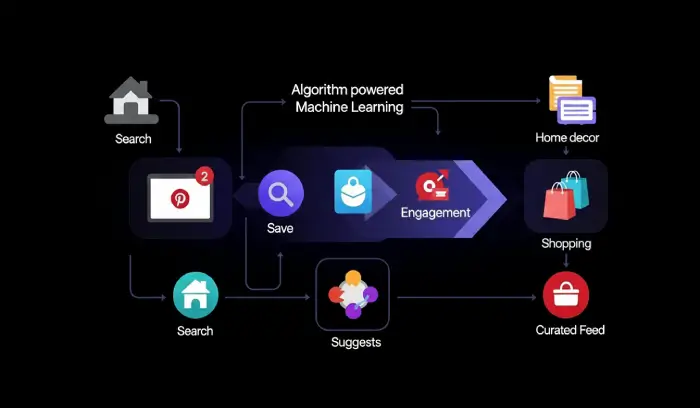
Think of Pinterest’s algorithm as a smart engine, constantly learning and adapting. It’s powered by machine learning, which helps it understand what pins resonate with users based on their behavior. If a user engages with home decor or lifestyle pins, for instance, the algorithm predicts they’ll likely want to see more of the same. This creates an ecosystem where users are constantly discovering content that matters to them. For more on how Pinterest’s algorithm works, visit Pinterest’s Business Page.
From a marketing perspective, this is gold. The algorithm prioritizes pins with engagement signals—saves, clicks, and repins. High-quality, visually appealing content stands out, and it’s more likely to rise to the top of a user’s feed. And while engagement is important, it’s not just about popularity; Pinterest also uses text overlays and other contextual elements to make sure the content is relevant to users’ interests. When your pins align with what users are looking for, your content has a much better chance of getting seen and acted upon.
Pinterest’s success is no secret. Studies show that a significant 85% of weekly Pinterest users have engaged with pins that led them to make purchases. This isn’t just a platform for browsing—it’s a powerful marketing tool that helps people take real-world action.
How the Pinterest algorithm works : Ranking Factors & Tips (2026)
Pinterest’s algorithm is designed to prioritize content that sparks user engagement. The more users interact with a pin—through saves, clicks, shares, or comments—the higher it ranks. Pins that are fresh, relevant, and visually stunning are given top priority.
If you’re trying to improve your Pinterest game, start by focusing on quality. From my experience, the more effort you put into creating eye-catching, informative, and timely content, the better your chances are of being noticed. Don’t just post anything—make sure it resonates with your audience. Here’s how to do it right:
For beginners looking to grow traffic quickly, these Pinterest Tips for Beginners 2026 can help you master the platform faster.
1. Pin Quality: How It Impacts Your Rankings
High-quality pins are the backbone of your success on Pinterest. If your pins grab attention and keep users engaged, they will perform better. Pinterest tracks how often users interact with your content—whether they save it, click through, or comment on it. The more engaging your pin, the higher it will rank in the feed. I’ve seen how well-optimized pins that have high-resolution images or videos, especially vertical content, perform the best. So, don’t skimp on visuals—make them stand out!

2. Pinner Quality: Building Trust and Engagement
It’s not just about the content; it’s also about who’s posting it. Pinterest values active and consistent users. The more regularly you post and engage with your audience, the better your chances of success. The algorithm rewards creators who consistently add value to the platform by interacting with their followers and sparking meaningful conversations. It’s about building trust and being a reliable source of inspiration. I’ve seen how brands that build this type of authority on Pinterest see better results long-term.
3. Relevance
The Pinterest algorithm is designed to surface the most relevant content. It looks at the keywords, descriptions, titles, and even board topics to determine whether a pin is a good match for a user’s search. The more aligned your pin is with what people are actively looking for, the better its chances of showing up. If your pin is about sustainable living, for example, make sure it’s tagged with relevant keywords like “eco-friendly home” or “green living.”
4. Recency and Freshness: How It Affects Pinterest Rankings
Pinterest loves fresh content. Pins that are timely and relevant to current trends or seasons get a visibility boost. Regularly posting new content ensures that you stay relevant and visible to your audience. But it’s not just about being recent—Pinterest also looks at the domain quality and how evergreen your content is. To get the best results, make sure your content is both fresh and targeted to your audience’s current needs.
How Pinterest’s Algorithm Prioritizes Content
The algorithm works by serving users content they’re likely to interact with based on previous engagement. It uses the same logic as Google’s search engine, rewarding content that resonates with users’ needs. By focusing on the user experience—whether it’s products, ideas, or inspiration—Pinterest ensures that the content shown in feeds is relevant and valuable.
By understanding the algorithm’s ranking factors, you can create content that not only gets seen but also gets engaged with, leading to greater visibility and success on the platform. So, focus on quality, relevance, and engagement, and you’ll be well on your way to mastering Pinterest in 2026.
Domain Quality and How It Impacts Pinterest Rankings in 2026
Pinterest places significant importance on domain quality when determining how to rank content. A website’s domain authority (DA) plays a crucial role, and content marketers know that a high authority score can boost ranking potential. Typically, a domain authority score between 50 and 60 is considered good for getting noticed on Pinterest.
The algorithm evaluates how well links are shared and how trusted a domain is based on previous interactions and opinions from other sources. As I’ve seen, Pinterest rewards good content that comes from trusted domains, ensuring that the best websites with a solid authority score gain higher visibility.
User Engagement and How It Affects Pinterest Rankings in 2026
Pinterest heavily relies on user engagement to determine how relevant a Pin is to its audience. The more users interact with your content, whether through likes, saves, or comments, the more likely it is to appear in their Home feed.
From my experience, Pinterest monitors engagement through Pinterest analytics, tracking how users respond to Pins and using this data to adjust what appears on their feed. The algorithm not only considers past engagement but also interests, ensuring that relevant content continues to surface. Monitoring these patterns and adjusting your content to align with your audience’s evolving interests is key to maintaining strong visibility and engagement over time.
Social Signals and How They Affect Pinterest Rankings in 2026
Social signals like repins, comments, and followers are key factors that boost your content’s visibility on Pinterest. When your content is shared and engaged with by others, it shows the algorithm that your Pins are valuable and share-worthy. From my experience, attracting more interactions within your community helps create a snowball effect, leading to more exposure. The more people engage with your content, the more likely it is to appear in Pinterest feeds, improving the overall reach of your Pins.
Freshness of Content and Its Impact on Pinterest Rankings
Pinterest values fresh content and rewards active content creators who create and share new pins regularly. The algorithm prioritizes pins that reflect the latest activities and trends, which is why staying consistent with new content can improve your visibility.
From my experience, fresh content not only keeps your audience engaged but also signals to Pinterest that you’re an active contributor, increasing the chances that your pins are shown to more users.
Best Practices to Optimize Your Pins for Pinterest’s Algorithm
To make the most of Pinterest’s algorithm, focus on creating scroll-stopping Pins that align with the platform’s search-driven nature. Pinterest is a visual discovery engine, and its algorithm rewards high-quality content that resonates with users.
From my experience, using the right keywords in your caption helps signal your Pins to the algorithm and improves their performance in feeds. Consistency is key, so make sure to post regularly and track stats to see what’s working.
Brands that adopt a strategy with a strong mix of creativity, relevant design, and intent are more likely to engage users and encourage them to save and share your Pins, leading to better results over time.
Pinterest SEO: The Power of Keywords in 2026
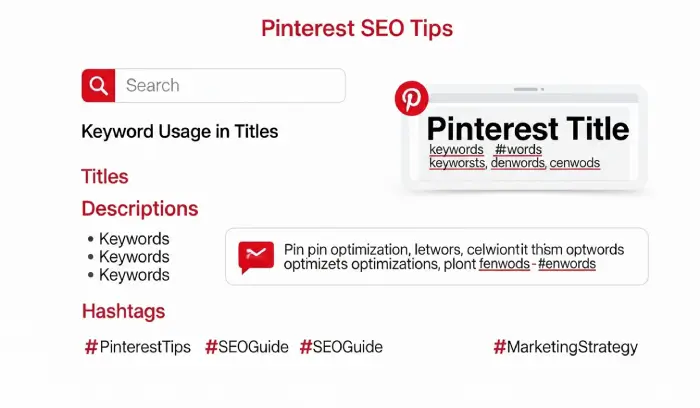
Pinterest SEO relies heavily on using the right keywords to boost your visibility and match search intent. Just like Google, Pinterest is a search-driven platform, and the algorithm uses keywords in titles, descriptions, and hashtags to understand and rank content.
Brands that focus on keyword research and use keyword-rich descriptions see better results because it helps surface content to the right audience.
For example, instead of using broad terms like “outfit,” try more specific phrases like “summer outfit ideas” to target high-intent users. Adding context and product information, like pricing and details about the product, can also improve your click-throughs and drive e-commerce success.
By optimizing your content for trending searches and using long-tail keywords, you signal value to Pinterest’s algorithm, which ultimately helps your Pins perform better.
High-Quality Visuals: Make Your Pins Stand Out
To stand out on Pinterest, it’s important to create eye-catching visuals that grab attention and retain interest. The algorithm favors high-quality visuals, especially video Pins and Idea Pins, which offer a dynamic way to engage users. Compared to static Pins, video or multi-page formats, like tutorials or step-by-step guides, tend to stop the scroll and encourage more engagement.
I’ve found that adding a simple text overlay to images helps communicate your message at a glance, which is crucial when people are quickly browsing their feeds. Pinterest also favors Rich Pins that sync directly with your website for more detailed product information like price or availability, making them more trustworthy.
In short, using short, vertical designs that tell a story will always help your Pins get noticed by more users and generate repeat views.
Consistency and Frequency in Pinning: Key to Success on Pinterest
Consistency in posting is vital for success on Pinterest. The algorithm rewards accounts that maintain a regular posting cadence, meaning Pins that show up often have a better chance of being recommended to users.
From my experience, sticking to a clear theme or niche and creating a predictable rhythm of uploads helps establish a strong Pinner Quality. This approach not only keeps your Pinterest presence active but also aligns your content with what your target audience expects and enjoys. Using a content calendar to plan your Pins ensures a steady flow of fresh ideas without overwhelming your followers or leaving them to sift through inactive accounts.
Brands that post frequently and with intention create a library of engaging content that encourages users to keep coming back for more.
Leveraging Rich Pins and Pinterest Features for Better Performance
Using Rich Pins and other Pinterest features can significantly boost your Pins’ engagement and visibility. Rich Pins provide extra details, like product information or article headlines, which improve quality and help the algorithm recognize your content as more valuable. This signals to Pinterest that your Pins should be shown to a broader audience.
From personal experience, focusing on post timing is also crucial—by posting during the right hours, you can get early traction and perform better in Pinterest’s network. Using tools like Sprout and ViralPost helps identify the best windows to post, increasing your chances of getting engagement and reaching more users.
Regularly analyzing your analytics allows you to fine-tune your strategy, ensuring you’re engaging the right people at the right time.

The Role of Pinterest Analytics in Refining Your Strategy
Pinterest analytics plays a crucial role in helping brands refine their approach and stay ahead of the search algorithm’s evolving nature. By analyzing key data and insights, marketers can better understand what content is working and adjust their strategy accordingly.
From my experience, testing different formats and tracking their performance gives a clear view of what resonates with your audience. Tools like Sprout allow for easy measurement of ROI, while also providing cross-platform insights that help social teams stay in the loop. Iteration is key—by continuously adjusting based on analytics and reaction to your content, you ensure that your strategy remains relevant and effective, providing the most value to your brand and audience.
Track Performance with Pinterest Analytics
Using Pinterest analytics is essential to track the performance of your content and ensure you’re staying aligned with the algorithm. By monitoring key metrics like impressions, Pin clicks, and saves, you can assess how well your Pins are performing in terms of visibility and engagement.
From my experience, tracking click-throughs and conversions helps you see what resonates with your audience and allows you to refine your approach. Analytics also helps you identify which boards and topics are most effective, enabling you to sustain or adjust your strategy to outperform others.
By understanding the reach and interest your Pins generate, you can focus on the creative styles and formats that keep your content relevant and engaging.
Use A/B Testing to Optimize Pin Types for Better Performance
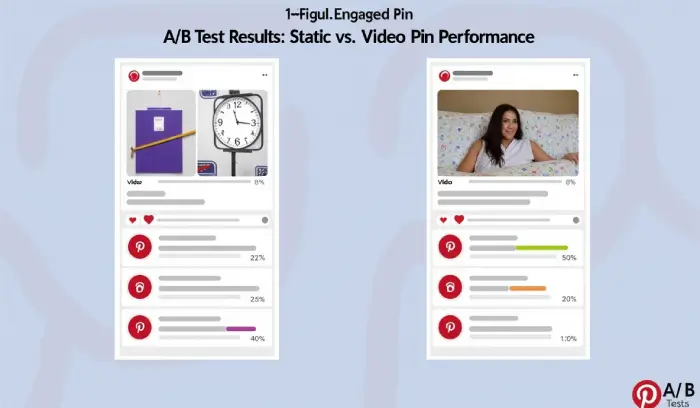
A/B testing is a powerful tool for optimizing your Pin types on Pinterest. By running tests comparing static, video, carousels, and Story Pins, you can see which format grabs the most attention from your audience.
From my experience, tools like Sprout help in tracking the results and provide valuable insights into how your audience interacts with different formats. Testing various Pin types and tagging features helps identify which ones perform best, allowing you to focus your creative energy on high-performing content that builds momentum and increases visibility.
Pinterest users are drawn to content that aligns with current trends, and A/B testing helps you spot these patterns and shape your future campaigns to maximize engagement.
Stay Updated with Algorithm Changes to Maintain Performance
Staying updated with Pinterest’s algorithmic changes is crucial for maintaining your visibility and performance on the platform. Small tweaks in the algorithm’s logic can cause shifts that affect how your Pins perform, sometimes even overnight.
From my experience, using social listening tools like Sprout helps track these shifts by providing an early warning system to detect changes in search behavior, language, and imagery preferences. Monitoring reporting dashboards gives your social teams the data points they need to understand which signals are important and which trends are starting to surface.
By actively listening to the platform’s signals and analyzing measurable data, you can quickly pinpoint new opportunities and adapt your strategy to avoid performance drops and stay ahead of the competition.
Adapting to Pinterest Algorithm Changes in 2026
Pinterest frequently evolves its algorithm to keep up with the changing landscape of social media. Algorithm changes like those in July 2025 and August 2025 refined the way ranking systems work, shifting focus from traditional quantity-based metrics to more meaningful quality metrics that prioritize authentic content creation and user engagement.
From my experience, staying informed about these updates and adjusting your strategies accordingly is vital for maintaining pin visibility and securing a top position. By emphasizing engagement and quality, instead of just the quantity of Pins, you’ll improve your performance indicators and adapt to Pinterest’s new ranking mechanisms to keep your content in front of the right audience.
The Importance of Flexibility in 2026 Pinterest Strategy
To succeed with Pinterest in 2026, flexibility is key. Relying on autopilot can be risky as the algorithm update could change how your content performs. Review your analytics regularly to monitor engagement and detect any dips in performance.
From my experience, staying ready to adjust your strategy, including keyword strategy, pinning frequency, and content, ensures you remain competitive. Pinterest’s algorithm often evolves, so maintaining quality content and adapting to shifts in the user experience is crucial for success.
How to Stay Ahead of Algorithm Shifts
- Follow Industry Blogs for Pinterest Marketing Updates
To stay ahead with Pinterest marketing, regularly follow industry blogs that provide insights on the latest algorithm changes. These resources are essential for keeping up with social media trends and understanding how new news can affect your strategy. By staying informed, you can adjust your content and marketing approach based on expert advice.
- Join Groups to Boost Pinterest Marketing
Joining groups on Pinterest and platforms like Facebook can be a great way to enhance your marketing efforts. These forums offer resources, tips, and the chance to share your information while learning from others. From my experience, actively participating in these groups helps with working out new strategies and answering common questions.
- Webinars & Conferences: Learning from Experts
Attending virtual webinars and conferences can give you valuable insights directly from Pinterest experts. These events are great for learning about the latest trends and best practices for optimizing your strategy and adapting to algorithm changes. Being part of this community helps you stay ahead and understand how the industry is evolving.
Tips for Resetting Your Pinterest Strategy in 2026
As Pinterest continues to evolve, it’s crucial for content creators and marketers to regularly update their approach. The Pinterest algorithm in 2026 focuses on delivering the best user experience by rewarding content that is engaging, relevant, and optimized. Whether you are looking to enhance your brand’s visibility or improve engagement, adjusting your strategy based on analytics and trends is essential for success. Below are some tips to help you reset your Pinterest strategy and stay ahead of the curve in 2026.
1. Focus on SEO for Pinterest Strategy
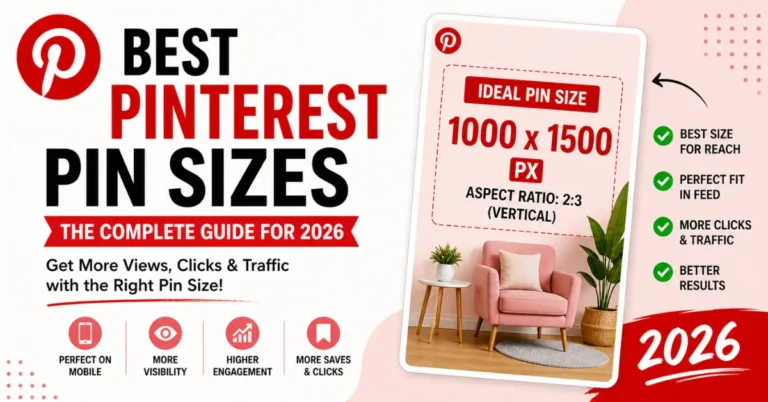
To reset your Pinterest strategy, start by improving your SEO approach. Keyword research is crucial, so use primary keywords in Pin titles, descriptions, and board names that align with Pinterest Trends in your niches. For better visibility, ensure your profile bio is updated with relevant keywords, and use high-quality visuals like attractive images and graphics that match the ideal dimensions and aspect ratio.
2. Analyze Pinterest Analytics for Insights
Regularly check Pinterest analytics to understand how your audience interacts with your content. Use the data to adjust your content strategy based on what performs well. This will help you tailor your approach and improve engagement.
3. Create Engaging Content and Post Consistently
Stay consistent with posting fresh content such as Rich Pins, Story Pins, and Idea Pins. Focus on creating informative and engaging experiences, such as tutorials or step-by-step guides, to keep your audience interested.
4. Engage with the Pinterest Community
Engage with group boards, follow relevant accounts, and participate in discussions, contests, or giveaways to increase your reach and visibility. By interacting with others, you expand your presence within the Pinterest community.
5. Optimize for Mobile-Ready, Responsive Content
Ensure your content is mobile-ready and easy to navigate. A smooth user experience is essential for increasing engagement and improving your chances of ranking higher in Pinterest’s search results.
FAQs
How to be successful on Pinterest in 2026?
Success on Pinterest in 2026 comes down to understanding the evolving algorithm and aligning your content with user intent. Focus on creating high-quality, visually engaging Pins that reflect current trends and resonate with your audience’s needs. Optimize your Pins with the right keywords in the description, titles, and board names. Consistency is key—post regularly and engage with your audience to build trust. Keep your content fresh, relevant, and tailored to user interests, ensuring that your Pins align with what people are actively searching for.
How to Beat the Pinterest Algorithm?
To “beat” the Pinterest algorithm in 2026, focus on creating content that encourages user interaction. High-quality images, engaging descriptions, and relevant keywords are essential. Consistently post fresh content that aligns with trending topics and seasonal interests. Engage with your audience by responding to comments, saving their Pins, and being an active member of the Pinterest community. By focusing on intent-driven content and using Pinterest SEO best practices, you’ll ensure your Pins rise in the algorithm, gaining more visibility and engagement over time.
What does a Rich Pin look like?
A Rich Pin is a type of Pin that provides more context by including extra information directly on the Pin itself. For example, Product Rich Pins will show the price, availability, and product description directly on the Pin, pulling data from the linked website. Article Rich Pins display the title of the article, a description, and a link to the full article. These Pins are highly effective because they offer more detailed information to users and are favored by Pinterest’s algorithm, helping to drive traffic to your site.
What are the key factors influencing Pinterest rankings?
The key factors that influence Pinterest rankings in 2026 include:
Pin Quality: High-quality, engaging images and videos that capture user attention.
User Engagement: Pins that generate saves, clicks, shares, and comments rank higher.
Relevance: Pins must align with user interests and match the search intent.
Pinner Quality: Active and consistent pinners who engage with their audience tend to rank higher.
Recency and Freshness: New and timely content gets a visibility boost.
Domain Quality: Content from trusted, high-authority domains is prioritized.
How often should I post to maximize reach?
To maximize reach on Pinterest, consistency is more important than volume. Ideally, post at least 5-10 times per week. Posting too frequently can overwhelm your followers, while posting too infrequently may cause your account to lose visibility. A regular, steady cadence helps maintain engagement and signals to Pinterest’s algorithm that you’re an active contributor. Use a content calendar to plan your posts and ensure a balanced, consistent flow of content that resonates with your audience.
What’s the role of Rich Pins in the algorithm?
Rich Pins play a significant role in the Pinterest algorithm because they provide extra value to users by displaying additional information directly on the Pin. This makes them more informative and clickable, leading to higher engagement. Pinterest rewards Rich Pins by giving them better visibility in search results and feeds. They can be used for product details, article summaries, and app information, making them a powerful tool for driving traffic and improving your rankings.
Why do my Pins not get enough visibility?
If your Pins aren’t getting enough visibility, it could be due to several factors:
Low Engagement: Pins that don’t get enough interaction, such as saves or clicks, may not rank well.
Relevance: Make sure your Pins align with what users are actively searching for. Use specific, targeted keywords in your titles and descriptions.
Quality: Low-quality visuals or poorly designed Pins can be overlooked by users.
Inconsistency: Posting too infrequently can cause your content to be buried in the feed.
Recency: Older Pins may lose visibility, so regularly posting fresh content is key.
Audience Engagement: Not engaging with your followers or the Pinterest community can affect your account’s reach.
To improve visibility, optimize your content for Pinterest’s algorithm, ensure your Pins are high quality, and engage with your audience consistently.
Conclusion:
In 2026, Pinterest is more than just a visual inspiration platform—it’s a dynamic, intent-driven search engine where user behavior and engagement shape the content that gets seen. To succeed on Pinterest, it’s essential to understand how the algorithm works and align your strategy with its evolving priorities. By focusing on high-quality, relevant content that speaks to what users are actively searching for, optimizing your Pins with the right keywords, and maintaining a consistent posting schedule, you can ensure your content stays visible and impactful.
Rich Pins, engagement signals, and content relevance play critical roles in boosting your visibility, while maintaining an active, trustworthy presence on Pinterest will help you build a loyal audience. The key to thriving on Pinterest in 2026 is to stay adaptable—continuously refine your strategy based on analytics, trends, and algorithm updates, and focus on delivering value to your audience. With these best practices, you’ll be well-equipped to not only survive but thrive in Pinterest’s ever-changing landscape.
So, take the time to optimize your Pinterest strategy, create visually compelling content, and engage with your community. With the right approach, you can increase your reach, drive traffic, and achieve success on one of the most powerful visual discovery platforms available today.