Pinterest SEO vs Google SEO: The Ultimate Guide to Success
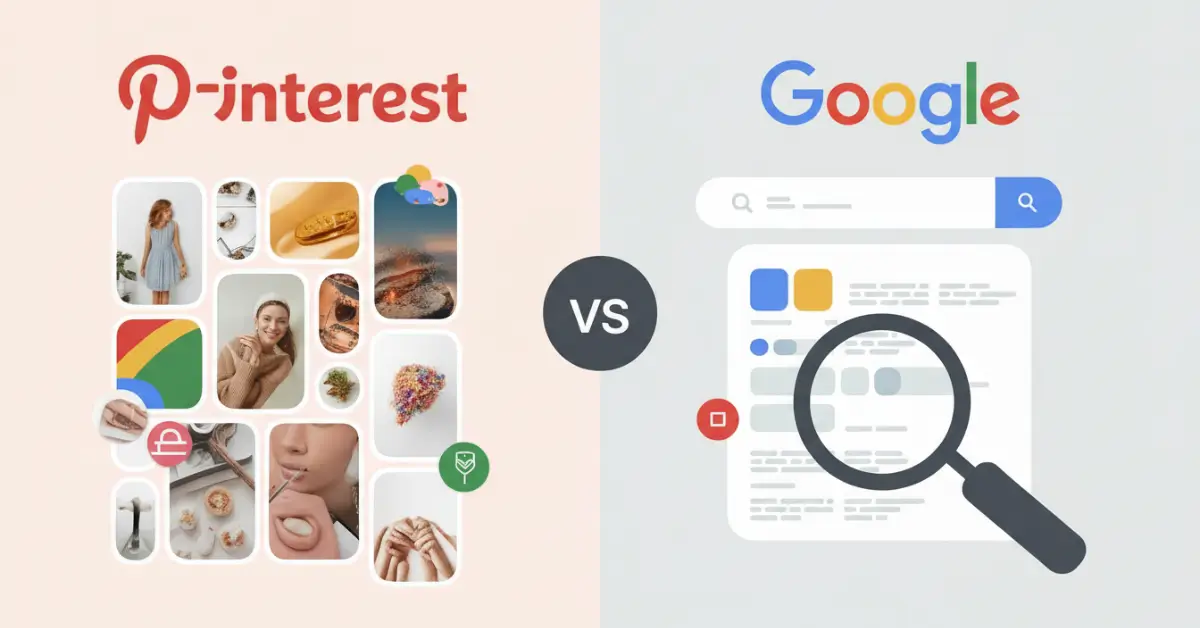
In the digital marketing world, there’s a lot of talk about SEO. But did you know that Pinterest SEO vs Google SEO works differently depending on the platform you’re targeting? Let’s dive into how these two SEO strategies differ and how you can optimize for both. Whether you’re a blogger, business owner, or content creator, understanding the nuances of each platform will help you create a strategy that drives results.
Google SEO is all about understanding what people are searching for and delivering the most relevant information in response. It’s like answering a question or helping someone solve a problem, and Google’s algorithm prioritizes providing the best, most authoritative content available. On the flip side, Pinterest SEO focuses on visual content—think beautiful images, eye-catching designs, and inspiring ideas. If you’re aiming to drive traffic on Pinterest, it’s all about creating pins that spark curiosity and align with users’ interests.
So, how do you make both platforms work for you? Well, Google is great for delivering in-depth answers to questions, while Pinterest excels at introducing users to fresh ideas and inspiring visuals. As someone who’s worked with both, I’ve learned that a balanced, cross-platform approach will maximize your visibility and success. Let’s break it down!
Understanding Search Intent: Dreamers vs. Doers
Google SEO thrives on search intent, which is all about understanding exactly what someone is looking for. For example, if a user types in “What are the symptoms of the flu?” Google’s goal is to deliver the most accurate, detailed, and authoritative content that answers that question. To succeed on Google, you need to provide well-researched, factual, and text-heavy content that clearly addresses the search query. Think of it like giving a direct answer that leaves no room for confusion.
Pinterest SEO, however, operates differently. While Google is intent-driven, Pinterest is a visual search engine that thrives on inspiration and discovery. People come to Pinterest to explore new ideas, whether it’s for a DIY project, a recipe, or new fashion trends. Instead of searching for an answer to a specific question, Pinterest users are more likely to be searching for new ideas or products to inspire them. This means the focus is on creating engaging and visually appealing pins that catch their attention.

Pinterest: A Visual Search Engine for Inspiration
Pinterest is unique. It’s not your typical search engine—it’s a discovery-driven platform. Users come to Pinterest to explore new ideas and get inspired, which is why it’s often referred to as a “visual search engine.” Whether someone is looking for home décor ideas, holiday recipes, or fashion inspiration, Pinterest offers a curated space to discover what’s trending. With Pinterest, it’s all about creating content that speaks to users’ curiosity and creativity.
Here’s something interesting: about 96% of the top searches on Pinterest are unbranded. This means both big brands and small creators have an equal chance of being discovered. Pinterest isn’t about competing on brand recognition—it’s about creating high-quality, visually striking content that aligns with what users are searching for. In my experience, the key to success on Pinterest is capturing attention quickly with stunning visuals that leave users excited to explore more.
If you’re interested in discovering more ways to enhance your Pinterest strategy and make your visual content stand out, check out the comprehensive tools and resources offered by PinDownloads to boost your pins’ reach and engagement.
Pinterest vs Google: Ranking Speed and How to Use Them Together
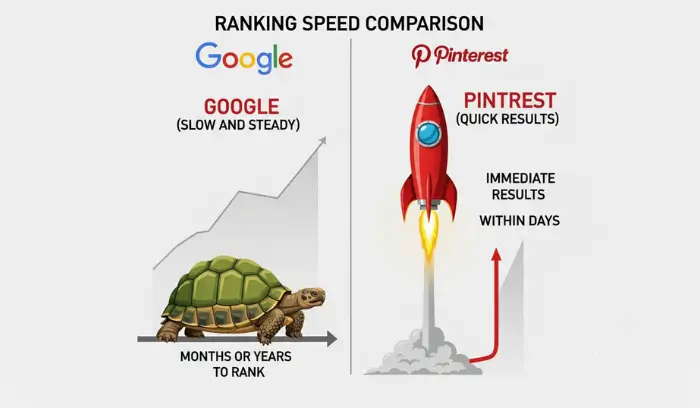
When it comes to ranking speed, Pinterest has a clear advantage over Google. Google’s SEO is more of a long-term game, where it can take months—or even years—for new websites to see page one rankings. This is because Google relies on authority, backlinks, and established trust to determine rankings. For newer websites, it can feel like you’re trying to break into an exclusive club.
On the other hand, Pinterest offers much quicker results. When you create optimized pins, they can start gaining visibility in a matter of days or weeks. Pinterest’s algorithm rewards fresh and engaging content, so if you’re creating eye-catching images with the right keywords, you can get noticed fast—even if you’re just starting out.
The key takeaway here is that Pinterest offers a quicker path to traffic, especially for newer accounts, while Google’s SEO strategy focuses on sustainable growth over time. But here’s the thing: using both platforms together can give you the best of both worlds. Pinterest can drive fast, short-term traffic, while Google will help build long-term authority and credibility.
How to Approach Keyword Research for Pinterest SEO vs Google SEO
Pinterest keyword research is all about tapping into current trends and what’s catching users’ attention. Pinterest’s tools, like Pinterest Trends and Pinterest Predicts, make it easy to find emerging topics that are gaining traction. With Pinterest, it’s crucial to create content around visual trends and keywords that can get you discovered quickly. Think of it like catching the wave of a new trend before it becomes mainstream.
In contrast, Google keyword research is more analytical. Tools like SEMRUSH and Key search focus on search volume, competition, and long-tail keywords. For Google, it’s all about targeting highly specific keywords that have a proven track record of driving organic traffic over time. Building authority on Google takes patience and persistence, but once you’ve established credibility, the long-term rewards are worth it.
From my experience, Pinterest rewards new, trending content while Google rewards sustained, authoritative content. By leveraging both, you can create a balanced SEO strategy that drives both quick wins and long-term success.
Pinterest and Google SEO Together: A Winning Strategy
To really make an impact, you should use Pinterest and Google SEO together. These platforms serve different purposes, but when combined, they create a powerful, well-rounded strategy. Pinterest is perfect for top-of-the-funnel traffic, capturing users who are still in the inspiration stage, while Google SEO works wonders for bottom-of-the-funnel traffic, bringing in users who are ready to make decisions.
Here’s how you can make the most of both:
- Create optimized Pinterest pins that link to your blog posts, product pages, or YouTube videos. This way, you’re driving traffic to your site while also building brand awareness on Pinterest.
- Optimize for Google SEO by creating detailed, informative content that answers specific user queries. This will help you rank higher for competitive keywords in the long run.
- Use both platforms to complement each other: Pinterest will help you reach new audiences, while Google will help you establish credibility and authority over time.
By crafting a strategy that works for both Pinterest and Google, you can maximize your reach, boost your SEO efforts, and create a more connected, well-rounded digital presence.
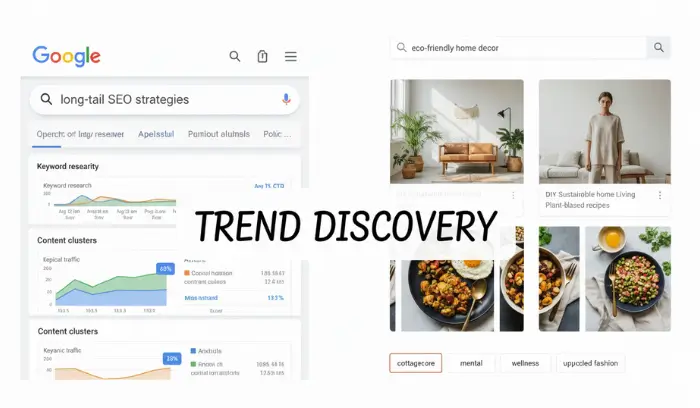
To help visualize the key differences between Pinterest SEO and Google SEO, here’s a comparison table:
| Aspect | Pinterest SEO | Google SEO |
|---|---|---|
| Search Focus | Visual discovery and inspiration | Intent-driven, answers to questions |
| Content Type | Image-based content (Pins, Boards) | Text-based content (Articles, Blogs) |
| Ranking Speed | Fast (days or weeks) | Slow (months or years) |
| Keyword Research | Focus on trends and visual keywords | Focus on long-tail and competitive keywords |
| Algorithm Focus | Engagement and fresh content | Authority, backlinks, and detailed content |
| Traffic Type | Top-of-the-funnel, exploration | Bottom-of-the-funnel, decision-making |
Pinterest Trends vs. Google Trends: Stay Ahead of the Curve
Google Trends and Pinterest Trends are both valuable tools for keeping your content on the cutting edge. Google Trends provides real-time updates on search terms, allowing you to tap into trending topics and create timely content. This can be especially helpful for breaking news, events, or seasonal topics.
Pinterest Trends, on the other hand, focuses on visual trends. These trends highlight what’s popular on Pinterest in terms of design, style, and aesthetics. By aligning your content with these trends, you can capitalize on what’s capturing users’ attention and create engaging content that stands out in the visual-heavy world of Pinterest.
In my experience, balancing both Google Trends and Pinterest Trends allows you to stay ahead of the curve and ensure your content stays relevant on both platforms.
FAQs
Is Pinterest good for SEO?
Pinterest is a powerful tool to boost your SEO by creating keyword-rich descriptions and boards that link directly to your website. By pinning high-quality images and sharing fresh and relevant pins consistently, you can drive traffic and increase visibility. The key to success is to focus on the right products and ensure your content engages the audience, leading to better engagement and more backlinks.
Why is Pinterest better than Google?
With well-optimised Pins, visibility can increase in days or weeks, much faster than Google, where users rarely go beyond the first page. On Pinterest, newer accounts have a better chance as users scroll through dozens of results.
What is the disadvantage of Pinterest?
Pinterest can be time-consuming due to its need for fresh, high-quality visuals, and a predominantly female user base that may not suit all businesses. The platform also faces issues like idea overload, broken links, and spam, which can lead to frustration, while the slow build-up of results and the learning curve of SEO and algorithm changes can be a challenge for users seeking inspiration over immediate purchases.
What is replacing Pinterest?
Several alternatives to Pinterest focus on specific needs like inspiration, community, and bookmarking. Platforms like Dribbble and Behance cater to professional design, while Same Energy and Mymind leverage AI for visual search. For home decor, Houzz is a go-to, and We Heart It and Tumblr offer aesthetic sharing, with Raindrop.io and Are.na providing powerful, private bookmarking, often free from the clutter and ads of broader sites like Pinterest.
What is the most effective SEO?
The most effective SEO involves following best practices, such as placing the main keyword early in your content and creating unique titles and descriptions. Optimizing the title tag and improving your site’s loading speed are essential for a better user experience. Additionally, tracking your results through tools like Google Search Console, optimizing images, and using internal linking can greatly boost your SEO efforts.
Conclusion
If you’re serious about growing your online presence, Pinterest and Google SEO should be part of your strategy. While they may operate differently, the combination of both platforms will give you the exposure and credibility you need to succeed. Pinterest drives quick, visual traffic, while Google SEO helps you build long-term authority.
So, whether you’re crafting compelling content for Pinterest or optimizing a blog post for Google, make sure you’re using both to their fullest potential. This dual approach can boost your traffic, engagement, and visibility across the web, helping you reach a wider audience faster.